Civic sense — the basic social responsibility that citizens show toward public spaces, infrastructure, and fellow citizens — is a fundamental pillar of a progressive society. It includes simple everyday behaviors such as not littering, following traffic rules, respecting queues, maintaining cleanliness, protecting public property, and showing consideration for others in shared spaces. While India has made remarkable progress in technology, economy, and global influence, the lack of consistent civic sense across sections of society continues to be a serious concern that affects both domestic quality of life and international perception.
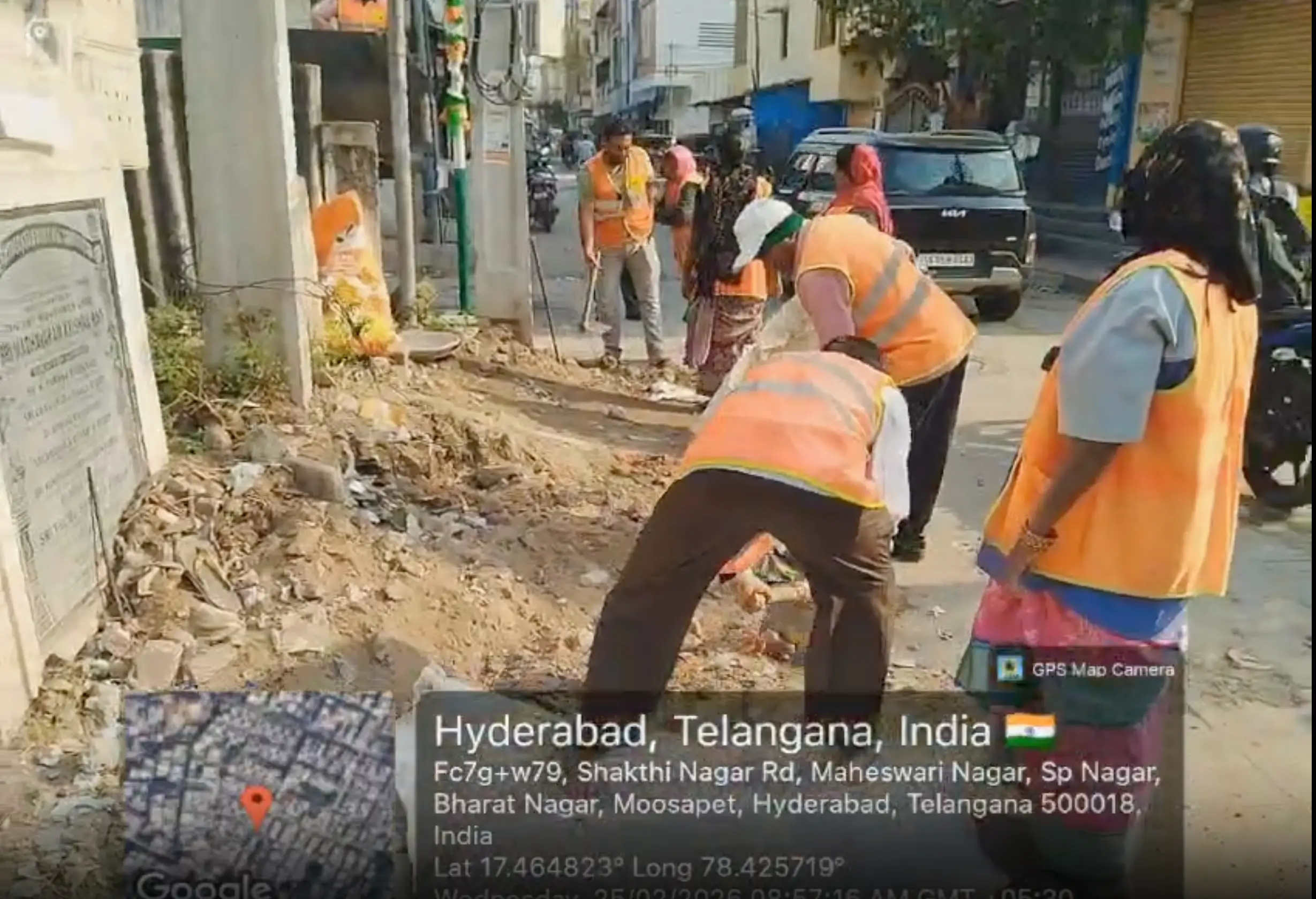
One of the most visible examples is public cleanliness. Despite large-scale cleanliness drives and awareness campaigns, littering remains common in many cities, towns, and even tourist destinations. Overflowing garbage bins, plastic waste in public places, and open dumping areas create an impression of poor urban management. When international tourists, investors, or global media capture such scenes, it directly shapes the perception of the country as disorganized or lacking discipline in public behavior.
Traffic behavior is another major indicator of civic sense. Jumping signals, driving on the wrong side, honking excessively, not giving way to emergency vehicles, and ignoring pedestrian safety are still widely observed. Apart from causing accidents and loss of life, this creates an image of chaos and lack of rule enforcement. For global visitors or business partners, efficient and disciplined traffic systems are often seen as indicators of governance quality and citizen responsibility.
Public property misuse also adds to the problem. Defacing walls, damaging public transport, or misusing public amenities increases maintenance costs and reduces service quality. Ultimately, taxpayers bear this burden. Moreover, it signals a lack of collective ownership of national infrastructure.
The global image of a nation today is not shaped only by economic growth or military strength — it is also influenced by how citizens behave in public spaces. Countries known for strong civic sense are often perceived as more reliable, trustworthy, and advanced. In contrast, poor civic behavior can undermine progress made in other areas. For India, which is positioning itself as a global economic and innovation leader, improving civic behavior is not just a social necessity but a strategic priority.
However, the responsibility does not lie only with governments. Civic sense is fundamentally a societal behavior shaped by family upbringing, education systems, peer influence, and social norms. If children grow up seeing littering, rule-breaking, or disregard for public spaces as normal, they are likely to repeat those behaviors as adults.
So what can be done?
First, civic education must begin early. Schools should include practical civic training — not just theory — such as community cleaning drives, traffic awareness participation, and public behavior workshops. When children actively practice civic responsibility, it becomes a habit rather than a rule forced upon them.
Second, stricter enforcement of rules is necessary. While awareness is important, visible penalties for violations like littering, vandalism, and traffic violations create behavioral deterrence. Consistency in enforcement builds respect for rules over time.
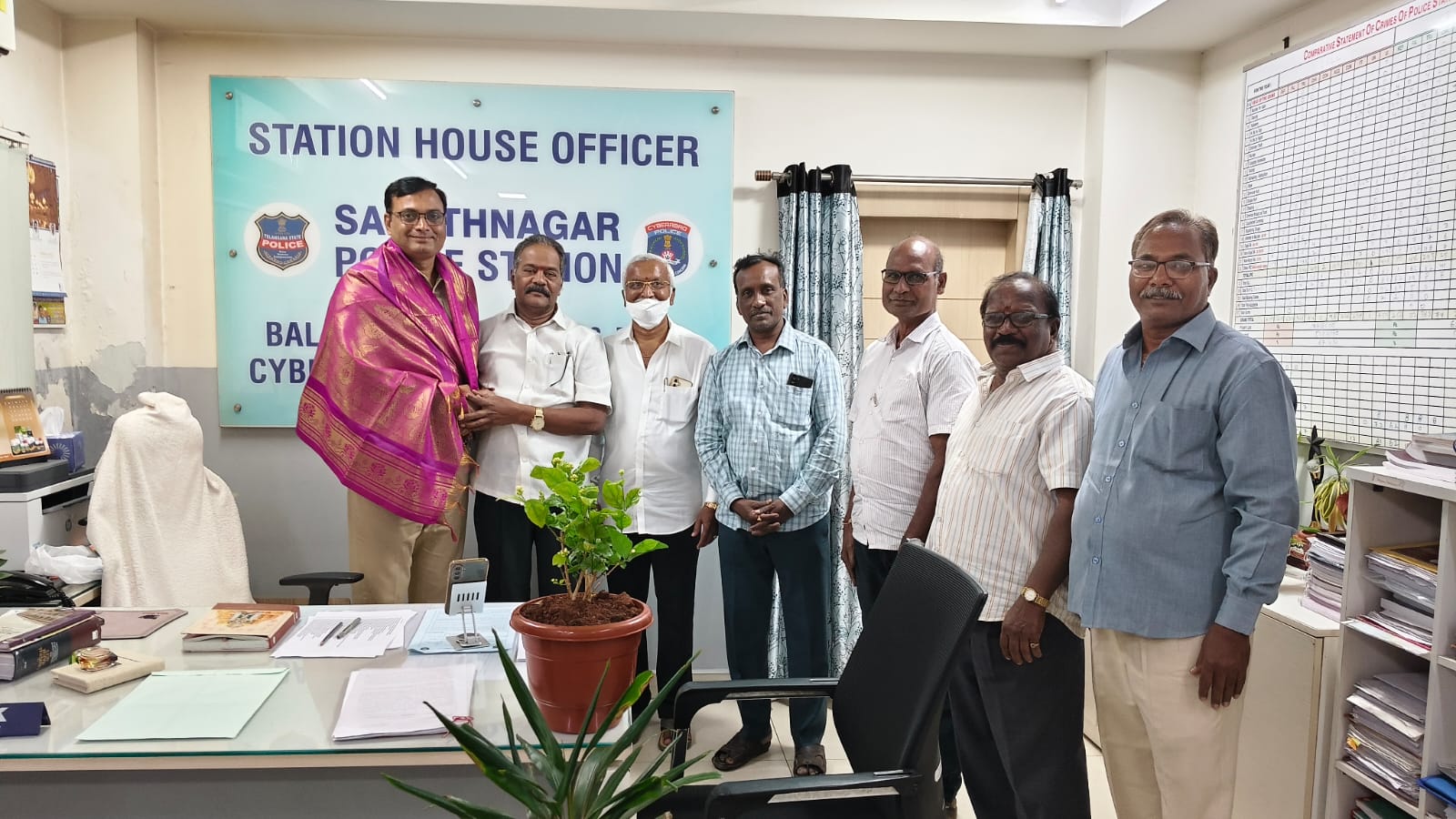
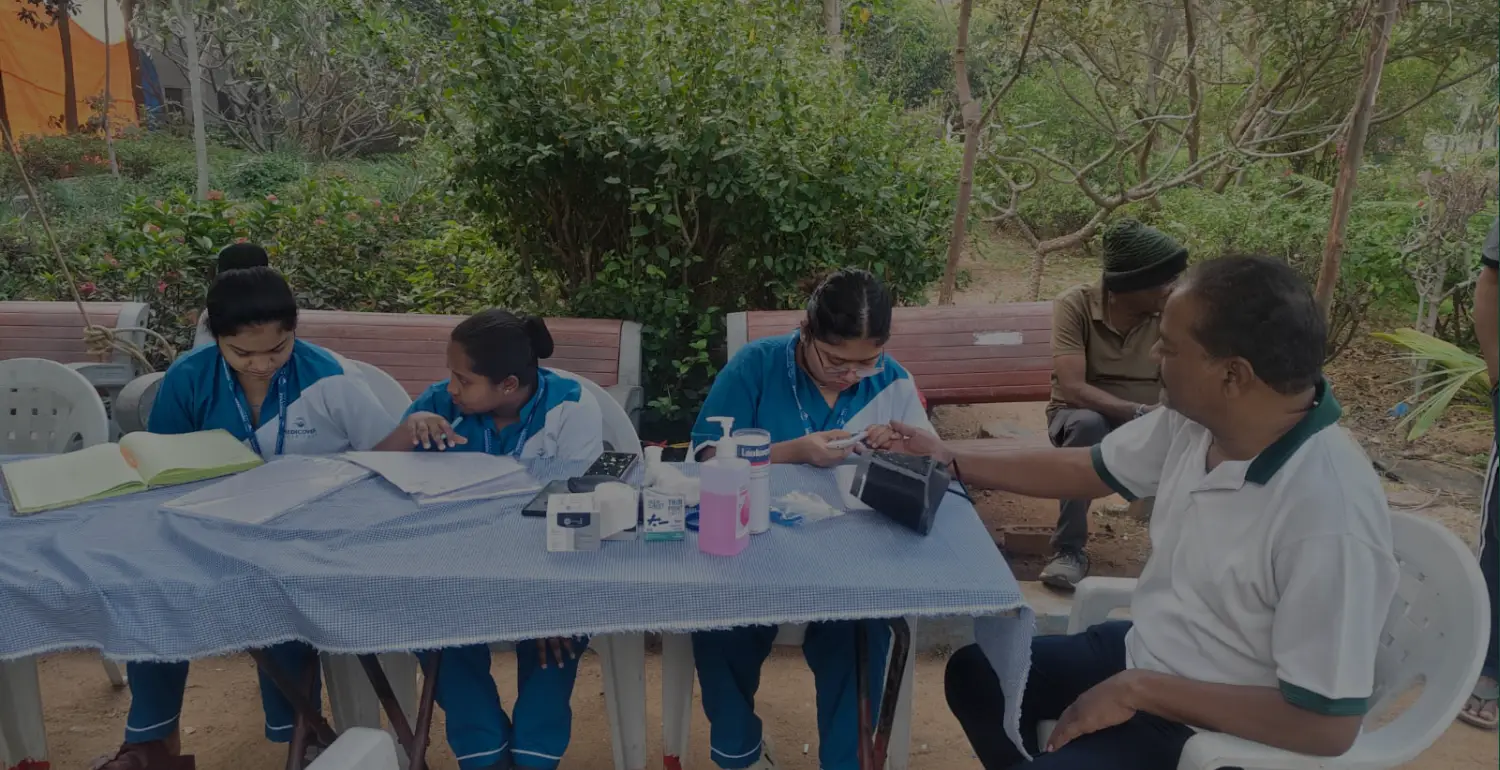
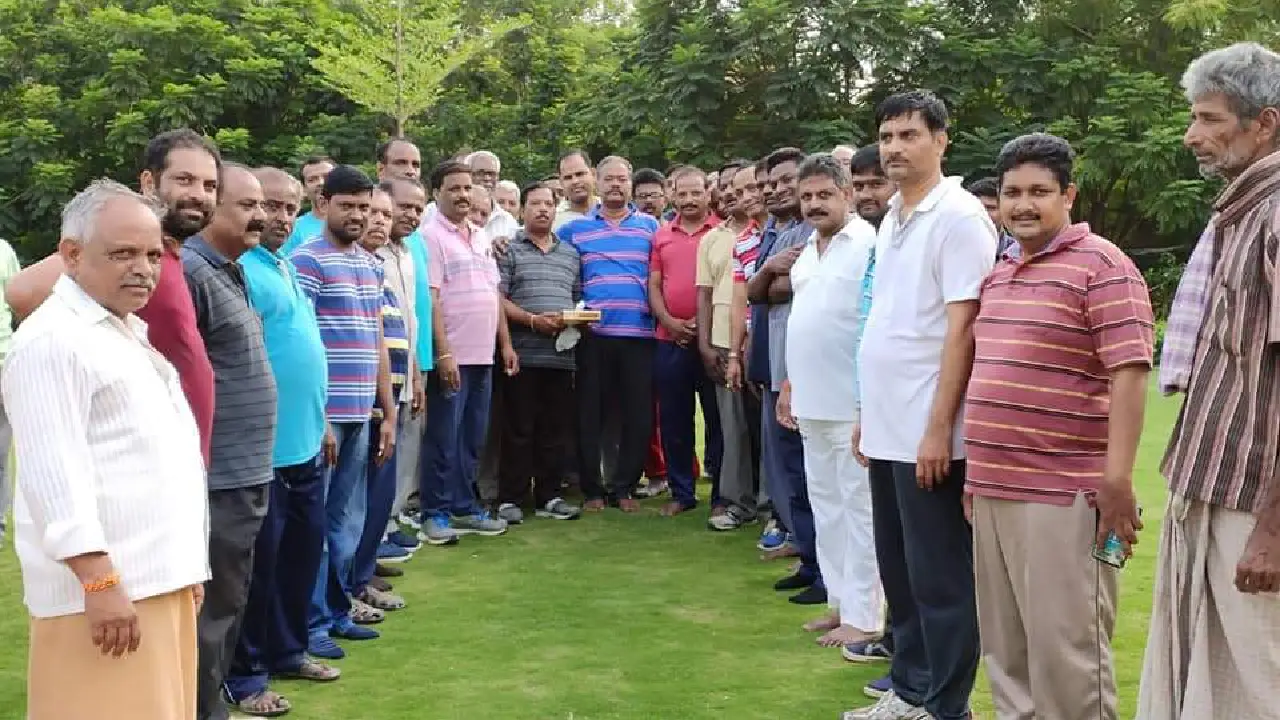
Third, community ownership must be encouraged. When residents feel responsible for their neighborhoods, they naturally work toward keeping them clean and organized. Resident associations, local volunteer groups, and citizen reporting platforms can play a huge role in building this ownership.
Fourth, corporate and institutional participation can help scale awareness. Workplaces can run civic responsibility programs, sponsor public cleanliness drives, and encourage employees to volunteer in community improvement initiatives. When civic responsibility becomes part of professional culture, it spreads faster.
Fifth, social influence and peer pressure can be powerful tools. Today, social media shapes behavior. Promoting positive civic behavior and highlighting good citizen actions can slowly shift social norms. People are more likely to follow behaviors that are socially rewarded.
Finally, self-reflection is crucial. Every citizen must ask: “Am I part of the problem or part of the solution?” Civic sense is not about large sacrifices. It is about small daily actions — throwing waste in bins, respecting public spaces, following rules even when no one is watching, and thinking about how our behavior affects others.
India stands at a critical point in its global journey. The nation has the talent, resources, and ambition to be among the world’s leading societies. Strengthening civic sense can accelerate this journey by improving quality of life, reducing public costs, increasing tourism confidence, and strengthening global reputation.
Real change will not come from policies alone. It will come when civic sense becomes part of national identity — something every citizen practices with pride.
Because a truly developed nation is not defined only by its GDP — but by how responsibly its people live together.